


Age of Ishtaria - A.Battle RPG
3.324.22K Reviews
App Specs
- Version
- 1.0.70
- Updated On
- License
- Free
- Downloads
- 1,000,000+
- Developer
- Mynet Games Inc.
- Categories
- Card
- Platform
- Android
Screenshots

 Analysis by AppCompare
I came to Age of Ishtaria - A.Battle RPG expecting a familiar fantasy card game, but its appeal is in the way it pairs collectible characters with battles that ask for more than simply picking a powerful card. It is a free card game from Mynet Games Inc., and its mix of story, deck-building, and player interaction gives it several different reasons to keep coming back. I would consider it if I wanted a fantasy game to dip into regularly, but I would not recommend it to someone looking for a quiet, purely self-contained card puzzler.
The game has been around since Oct 15, 2014, and its current version is 1.0.66. That long-running presence is useful context: this is an established mobile game, not a short, single-session diversion. It has a 3.7 average from around 87,000 ratings, with roughly 24,000 reviews and over a million installs. Those figures suggest a sizable audience, though they do not tell me whether an individual player will enjoy the pace or spending options. Its Teen age rating is also worth keeping in mind if you are choosing a game for a younger player.
First Impressions
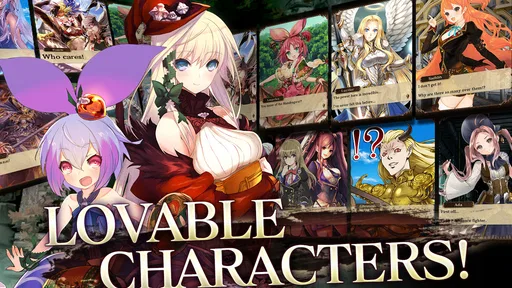
From the moment I launched Age of Ishtaria - A.Battle RPG, I was greeted with vibrant graphics and an engaging storyline. The game doesn’t waste any time throwing you into the action, which I absolutely loved. It’s like they took all the good parts of a classic RPG and gave it a fresh, modern twist. The characters are beautifully designed, and the animations are smooth, making every battle a visual treat.
That initial presentation makes a strong case for continuing, but I would treat the opening as an invitation to learn the game rather than proof that every later session will feel equally fresh. Collectible games can ask for repeated attention, and what matters over time is whether building a team and following the story remain enjoyable after the novelty wears off. I found it helpful to decide early what I wanted from a session: a few battles, progress through the narrative, or time spent working on a deck. Having a small goal keeps a large game from turning into an aimless sequence of taps.
Gameplay Mechanics
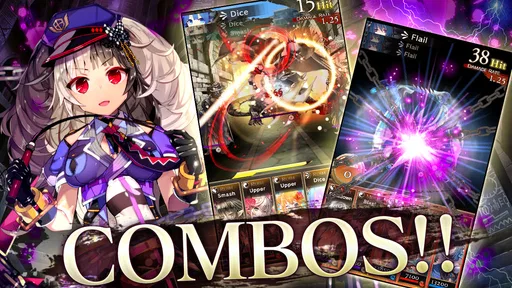
Now, let’s talk about the gameplay, because that’s where this game really shines. The battle system is intuitive yet challenging. You need to swipe, tap, and strategize your moves to unleash powerful attacks and combos. It feels like a dance on the battlefield, where timing and strategy are everything. The learning curve is just right – enough to keep you on your toes but not so steep that you feel overwhelmed.
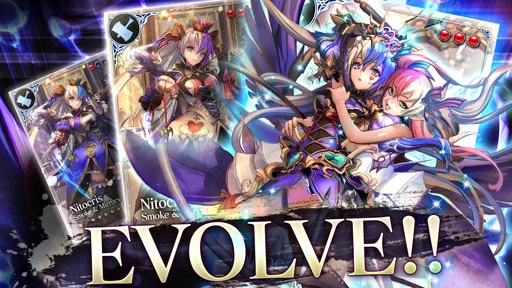
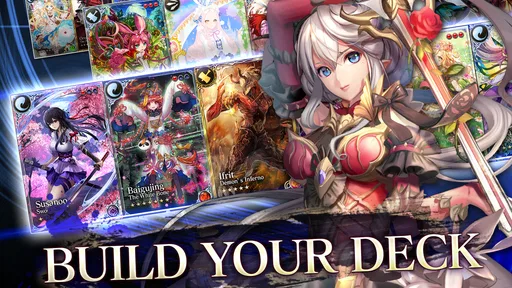
One of my favorite features is the card-based system. Collecting and upgrading cards adds a layer of depth to the game, allowing you to customize your team and strategy. Each card represents a character with unique abilities, and assembling the perfect deck is a satisfying challenge.
The practical lesson I took from the card system is not to treat every new character as an automatic upgrade. A card is useful because of how it fits with the rest of a team, not simply because it is newly acquired. When I was deciding what to improve, I focused on the lineup I actually used instead of spreading resources across every option. That approach makes experimentation easier to follow: change one part of a team, try it in a battle, and see whether the result suits your preferred rhythm before investing further.
Worth Reading Before You Choose

EA SPORTS FC Mobile 26 Is a Bigger Football Game, but It Takes Time

Flipboard Shows What News Apps Must Do Beyond the Feed

Switching to Android Auto Means Rethinking Your Driving Routine

Google Calendar Makes a Crowded Week Easier to Manage

Ludo King Makes the Most of the Minutes Between Plans

Baby Panda World Brings Quick Play to Modern Phones, but Its Game Library Feels Busy
This also helps when playing in short bursts. Rather than opening the game with no plan and making scattered upgrades, I would pick one practical task, such as testing a different arrangement or advancing a particular part of the adventure. The game is a better fit for players who enjoy that loop of collecting, comparing, and refining. If you prefer a card game where each match is self-contained and your choices reset afterward, this ongoing character-building structure may feel like extra work rather than a reward.
The Storyline
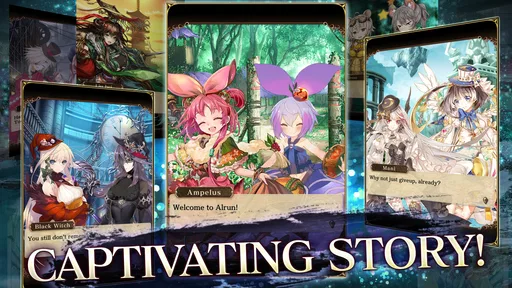
The storyline in Age of Ishtaria is another highlight. It’s rich with lore and filled with twists and turns. You’re not just fighting random battles; you’re part of an epic quest to save a world in turmoil. The narrative unfolds through beautifully illustrated cutscenes and dialogue, keeping you engaged and curious about what happens next. It’s like being part of an interactive fantasy novel.
For me, the story is most useful as a reason to keep moving between battles, rather than as a substitute for a conventional novel. If I had a few minutes during a break, I could make a little progress and return later when I had more time to pay attention to the dialogue. That makes it easier to fit into an ordinary day than a game that expects one long uninterrupted sitting. At the same time, players who routinely skip story scenes may miss much of the narrative appeal, leaving the collecting and combat to carry the experience on their own.
A sensible way to approach the game is to give the story a chance before deciding whether it works for you. The fantasy setting and illustrated presentation are central to its identity, so rushing past every scene may make the adventure feel less distinctive. If the plot does not hold your attention, there is still the strategic attraction of assembling a team, but I would not choose this over a focused competitive card game if story and character collecting are not part of what I want.
Social Features
What’s a great RPG without some social interaction? This game nails it with its guild system. Joining a guild opens up a whole new dimension of gameplay. You can participate in guild events, team up for special missions, and chat with fellow players. It’s a fantastic way to make friends and feel part of a community, which is something every mobile game should strive for.
The social side changes the game from a personal collection project into something with a shared routine. I would join a guild because I wanted the conversation and group activities, not just because the option was available. A community can make returning feel more purposeful, but it also means the game may suit someone who enjoys interacting with other players better than someone who wants a completely solitary experience. If I were only checking in briefly and did not want another social commitment, I would keep that preference in mind before making guild participation central to my routine.
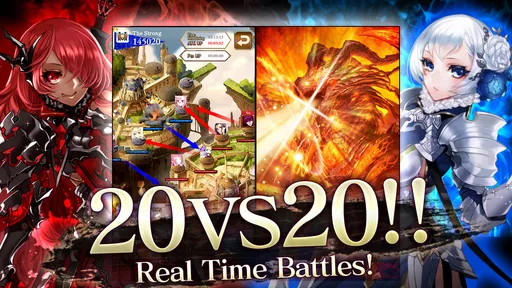
The PvP arena is another exciting feature. It’s where you can test your skills against other players. The thrill of climbing the leaderboard and proving your strategic prowess is truly addictive. Just be prepared for some intense battles!
Competitive play is best approached as a test of how well a team works, rather than as a simple measure of how quickly a player can collect cards. I would use it to notice where a lineup feels weak and then make a deliberate adjustment, instead of chasing every result as if it were a verdict on the whole game. That is a more satisfying way to engage with an arena, especially when progress and collection are part of the wider experience. Players who dislike rankings or the possibility of losing to another person may prefer to focus on the story and other parts of the game.
Spending, Progress, and Fairness
Let’s address the elephant in the room – in-app purchases. Yes, they exist, but I found them to be more of a convenience than a necessity. You can enjoy the game thoroughly without spending a dime, which is a huge plus. Of course, if you’re impatient or want to support the developers, there are plenty of options to do so.
Purchases range from $0.99 to $99.99 per item, so the price span is broad. I would treat the game as free to start, not as a promise that every optional purchase is small. Before buying anything, it is worth asking what problem the purchase solves for you: does it make a part of the game more enjoyable, or are you reacting to impatience in the moment? Setting a personal spending limit before playing is a simple way to keep that decision deliberate, particularly in a game built around collecting and upgrading.
For fairness, I would separate two questions: whether spending is required to enjoy the game, and whether paying changes a player’s competitive position. The purchase range confirms that optional items can cost very different amounts, but it does not establish what each item does or how it affects arena outcomes. I would not assume that spending guarantees victory, nor would I promise that every competitive matchup is even. If fairness in player-versus-player battles is your deciding concern, treat that as something to judge through your own experience rather than an assurance I can make from the purchase prices alone.
Progress can also feel different depending on what you enjoy. A player who likes gradually improving a collection may find the ongoing goals satisfying; someone who wants a complete, balanced experience immediately may find the same structure frustrating. My practical advice is to play for a while without buying, notice which parts you return to voluntarily, and only then decide whether an optional purchase has value for you. If the game is not holding your interest without spending, paying is unlikely to fix that underlying mismatch.
Who Will Enjoy It—and Who May Not
I would recommend this to someone who likes fantasy stories, character collecting, and the small strategic decisions involved in putting a deck together. It is especially suitable for a player who enjoys having several kinds of activity to choose from: story progression when they want a narrative thread, card work when they feel analytical, and guild or PvP play when they want interaction. A realistic everyday use is opening it during a short break, choosing one modest goal, and stopping when that goal is done rather than feeling obliged to complete everything in one sitting.
By contrast, I would steer away from it if you want a quick, polished match with no long-term collection to manage, or if you strongly dislike optional purchases in games. A traditional digital card battler may be a better alternative when you want the cards and tactical decisions to be the whole point, without the same emphasis on a continuing fantasy RPG adventure. A story-first role-playing game may suit you better if you want a tightly directed plot and little interest in arena competition or guild activity. Age of Ishtaria sits between those expectations, and that blend is its appeal as well as a possible source of friction.
There are a few useful ways to avoid making the experience feel like a chore. I would set a stopping point before starting a session, avoid upgrading cards just because a resource is available, and keep track of which team changes actually improve battles. When trying the social side, I would first see whether guild conversation and events add enjoyment rather than joining out of habit. These small choices help preserve the parts that feel fun and make it easier to notice if the game’s recurring tasks are becoming pressure.
What to Expect Before You Commit
The game is free to download, but its in-app purchases mean that “free” describes the starting cost, not every possible way to engage with it. The Teen rating is another practical consideration for families, and the game’s social features make it worth thinking about whether a younger player is comfortable with interaction in a shared community. I would make those choices based on the player, not on the assumption that a fantasy setting automatically makes a game suitable for everyone.
It is also fair to ask whether it can be enjoyed alone, whether purchases are compulsory, and whether PvP is essential. The experience includes a story and card collection alongside guild and arena activities, so a player can value different parts of it. I found no reason to treat spending as a prerequisite for trying the core appeal, but competitive fairness and the precise effect of purchases should not be guessed from the price range. If either point is crucial to you, start cautiously and decide from your own play before investing time or money.
For players concerned about staying current, the game is at version 1.0.66. That identifies the version, but it is not a promise about future changes or a guarantee that every device will behave the same way. The minimum operating system requirement is Android 5.0, so Android users should check their device against that before installing. As with any long-running game, I would also make sure I am comfortable with its established style instead of expecting it to resemble a brand-new release.
Final Thoughts
To wrap it up, Age of Ishtaria - A.Battle RPG is a delightful mix of strategy, storytelling, and stunning visuals. It’s easy to get lost in its world, spending hours perfecting your deck and conquering foes. Whether you’re a seasoned RPG fan or new to the genre, this game offers something for everyone. So, if you’re ready for an adventure filled with magic and mayhem, give it a try. I promise you won’t be disappointed.
My recommendation is more measured: it is worth trying if the combination of collectible cards, fantasy narrative, and player interaction sounds appealing, but it will not suit every kind of card-game fan. I would begin without spending, find out whether the story and deck decisions hold my attention, and only then decide how much of the social and competitive side I want. That way, the game earns a place in my routine through the parts I genuinely enjoy instead of through pressure to keep up.
Ready to embark on this epic journey? You can download the game from the links below and start your adventure today. Happy gaming!
Pros
- Engaging storyline with rich lore.
- Dynamic battle system with combos.
- Frequent events keep gameplay fresh.
- Generous rewards for active players.
- Stunning artwork and character design.
Cons
- Heavy reliance on in-app purchases.
- Occasional server stability issues.
- Complex interface for new players.
- Limited energy restricts playtime.
- Repetitive tasks can feel grindy.
FAQs for Age of Ishtaria - A.Battle RPG
What is Age of Ishtaria and what makes it unique?
Age of Ishtaria is a fast-paced card battle RPG that combines strategic gameplay with stunning anime-style artwork. What sets it apart is its intuitive 'Flick Battle' system, allowing players to execute combos with simple swipes. This unique mechanic, alongside a rich storyline and diverse character roster, creates an engaging experience for fans of card games and RPGs alike.
Is Age of Ishtaria free to play, and are there in-app purchases?
Age of Ishtaria is free to download and play, offering a substantial amount of content without cost. However, the game includes in-app purchases that allow players to buy in-game currency and items. These purchases can enhance gameplay by unlocking new characters and boosting resources, but they are not necessary to enjoy the core experience.
What kind of gameplay can I expect from Age of Ishtaria?
Players can expect a blend of card collection and real-time battles in Age of Ishtaria. The game emphasizes strategic deck-building and skillful execution of attacks. The 'Flick Battle' system requires players to swipe their screens to unleash powerful combos, making reflexes and timing crucial for success. Additionally, the game features various modes, including PvP battles and cooperative raids.
How does the multiplayer feature work in Age of Ishtaria?
Age of Ishtaria offers several multiplayer options, including PvP battles and cooperative raids. In PvP mode, players can compete against others globally to climb leaderboards. Cooperative raids allow players to team up and defeat powerful bosses, encouraging teamwork and strategy. These features provide opportunities for social interaction and competitive play within the game's community.
What devices are compatible with Age of Ishtaria?
Age of Ishtaria is available for both Android and iOS devices. For Android, it typically requires a device running Android 4.0 or higher. For iOS, it generally supports iPhone and iPad models running iOS 8.0 or later. It is advisable to check the specific app store for the most up-to-date compatibility information before downloading.


